Curator The Film All-Nighter
The theme of being forced to start over and move from one place to another runs through the Panorama section’s documentary films. The main figures find different ways of coping with where they end up. They catalogue memories and testimonies of their previous lives on cassettes, explore their past through home movies, or find solace in mythical literature. At the same time, they discover their new surroundings via smartphones, analyse traces of the past through historical sources, reinterpret them and overwrite them with their own meanings. In one way or another, in some cases quietly and in others loudly, they offer resistance in adverse circumstances. But playing a role in all cases are practices of remembering which find traces of the past in the present.
The diversity of the methods used by the protagonists to recall the past is also mirrored in the cinematic approaches to depicting and narrating them. Sometimes observational, sometimes participatory, sometimes poetic, sometimes reflective, the selected documentaries take a close look at individual and collective memories. They are representative of a variety of documentary narratives ranging from direct cinema to essay film through to smartphone video, and the dynamic relationship between film-makers and those filmed unfolds in the most diverse ways.

Curator The Film All-Nighter
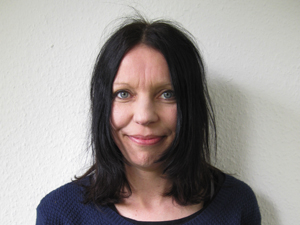
Grew up in the Ruhr. Spent a year in the cinemas of Paris and discovered her love for film. Studied film, television and theatre, Romance languages & literature and social psychology at the Ruhr University in Bochum. Worked on the Ruhr University’s student-run International Video Festival, and subsequently has worked for various film festivals (incl. the International Short Film Festival Oberhausen, the Dok & Videofest Kassel) as well as a freelance curator and translator.
»At every IFFF Dortmund+Köln I get the chance to discover inspiring films that I would otherwise never get to see.«
Curator: Panorama
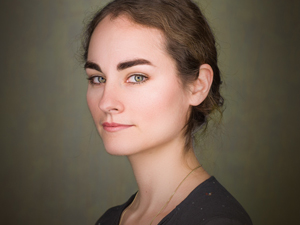
Marieke Steinhoff is a freelance film curator for Internationales Frauen Film Fest Dortmund+Köln. She completed her studies in theatre, film and television, German and ethnology at the University of Cologne and in Rome, Italy. While studying, she wrote on a freelance basis for the German film magazine Schnitt, where she later became chief editor. She also became organisational head of Filmplus, the forum for film editing and montage art in Cologne, for two years. Since 2013 she has been working for the ifs internationale filmschule köln, including coordinating the teaching of film and media studies. She’s also involved in the »ifs-Begegnung« film and event series, as well as the film history series Filmgeschichten at the Filmforum NRW in Cologne’s Museum Ludwig. In her curatorial work, Marieke looks at aspects of film heritage and canonisation, archives and diversity as well as young German film.
»At the moment, aspirations for change and new anti-feminism and racism are pitted against each other. For me, responding to this, always keeping a view to (film) history, is part of the remit of IFFF Dortmund+Köln. It includes showing films that disrupt rigid dichotomies, that allow ambivalence and different opinions and interpretations, and that articulate utopias for a more just society, is both a luxury and a necessity – and for me, cinema is still the greatest place to discuss and dream together.«
Lietje Bauwens, Wouter De Raeve
This film has been nominated for the Audience Award endowed with 1,000 euro. Please vote after watching the movie. You […]
Ute Adamczewski
This film has been nominated for the Audience Award endowed with 1,000 euro. Please vote after watching the movie. You […]
© 2021–2026