Discussion: Co-Productions | Best Practice
Sophie Haikali, Khadija von Zinnenburg Carroll, Yasemin Şamdereli, Helga Binder
A conversation with Sophie Haikali, Khadija Zinnenburg Carroll, Yasemin Şamdereli, Helga Binder
How can co-productions between German and African partners be set up in a balanced way? Sophie Haikali, a German producer based in Namibia, hosts an open discussion to explore the practicalities of collaboration. Unequal balances of power are often reflected in production processes. While co-productions offer an opportunity to address decoloniality within the film industry, no new impetus can ensue if the cooperation partners have no say in organisational and creative decisions. The key lies in a collaboration that respects, recognises and gives visibility to all perspectives. This is the only way to create new content that goes beyond reproducing the same formats, stories and power dynamics in different guises. This is a complex undertaking and calls for us to scrutinise and possibly rethink the entire process. But it is worth it if, by doing so, we create a future together that we bring to cinematic life.
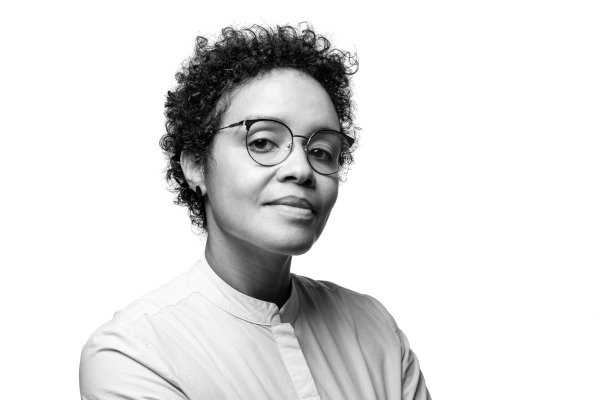
Sophie Haikali
Sophie Haikali studied Media Culture at Maastricht University. As a producer (Joe Vision Production) with over 15 years of experience in Namibia, she focuses on productions and broadcasts. She co-produced Pepe, which won the Silver Bear for Best Director at the Berlinale 2024. The short film Invisibles KaunaPawa was shortlisted for the Oscars in 2022. Sophie Haikali is particularly passionate about projects that highlight diverse experiences and perspectives, and is committed to fostering collaborations that bring these stories to the forefront.
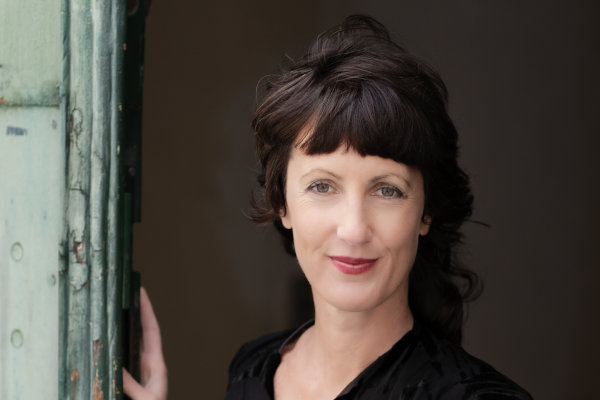
Khadija von Zinnenburg Carroll
Khadija von Zinnenburg Carroll is an Australian artist, filmmaker and professor of History and Global Art currently leading the project REPATRIATES: Artistic Research in Museums and Communities in the process of Repatriation from Europe (repatriates.org). She has a PhD from Harvard and is the creator of numerous books, films and installations. She is currently making an experimental documentary about the journeys of cultural property back to Namibia, Nigeria, Benin, Mexico, New Zealand and Australia, which will be premiered at the 2026 Venice Biennale.
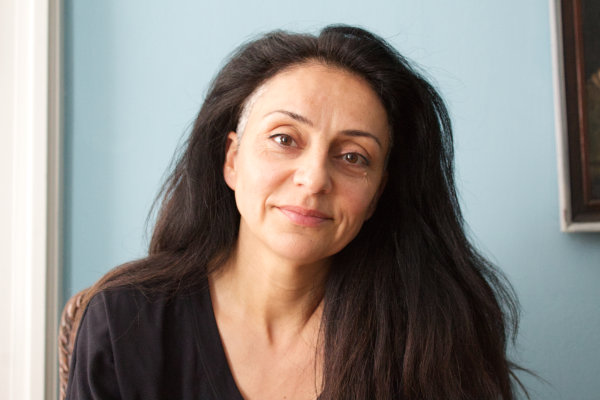
Yasemin Şamdereli
The director and screenwriter was born and raised in Dortmund. During her studies at the HFF Munich, she worked as an assistant director on international cinema productions by Jackie Chan, Teddy Chan and Stanley Tong. Her graduation film Kismet received the Short Tiger Award. She has directed the TV films Alles getürkt!, Ich Chef, du nix and co-wrote the series Türkisch für Anfänger. Her celebrated cinema debut Almanya had its world premiere at the 2011 Berlin International Film Festival and received two German Film Awards, among others. She recently directed Samia.
Films by Yasemin Şamdereli
Die Nacht der Nächte 2018; Almanya – Willkommen in Deutschland 2011, Ich Chef, du nix! 2007, Alles Getürkt! 2003, Kismet 1999
Awards for ›Samia‹
Publikumspreis – Filmfest München 2024; Special Jury Mention – Tribeca Film Festival 2024

Helga Binder
After obtaining a master’s degree in literature and art history, Helga Binder began her career in the film industry at the Filmstiftung NRW funding institution in 1993. In 2000, she moved to the Tatfilm production company, where she has overseen projects ranging from debut films to international co-productions as a producer. She has worked as an artistic research assistant in film production and distribution at the Academy of Media Arts Cologne (KHM) in Cologne. She works as a consultant for production companies as well as an expert for the EU’s MEDIA programme and conducts seminars on film production and financing. Since 2014, she has been deputy head of funding at the Film- und Medienstiftung NRW, focusing on international co-productions. With a funding volume that recently totalled 35 million euros, the foundation has been one of the leading funding agencies in Germany and Europe for over 30 years.